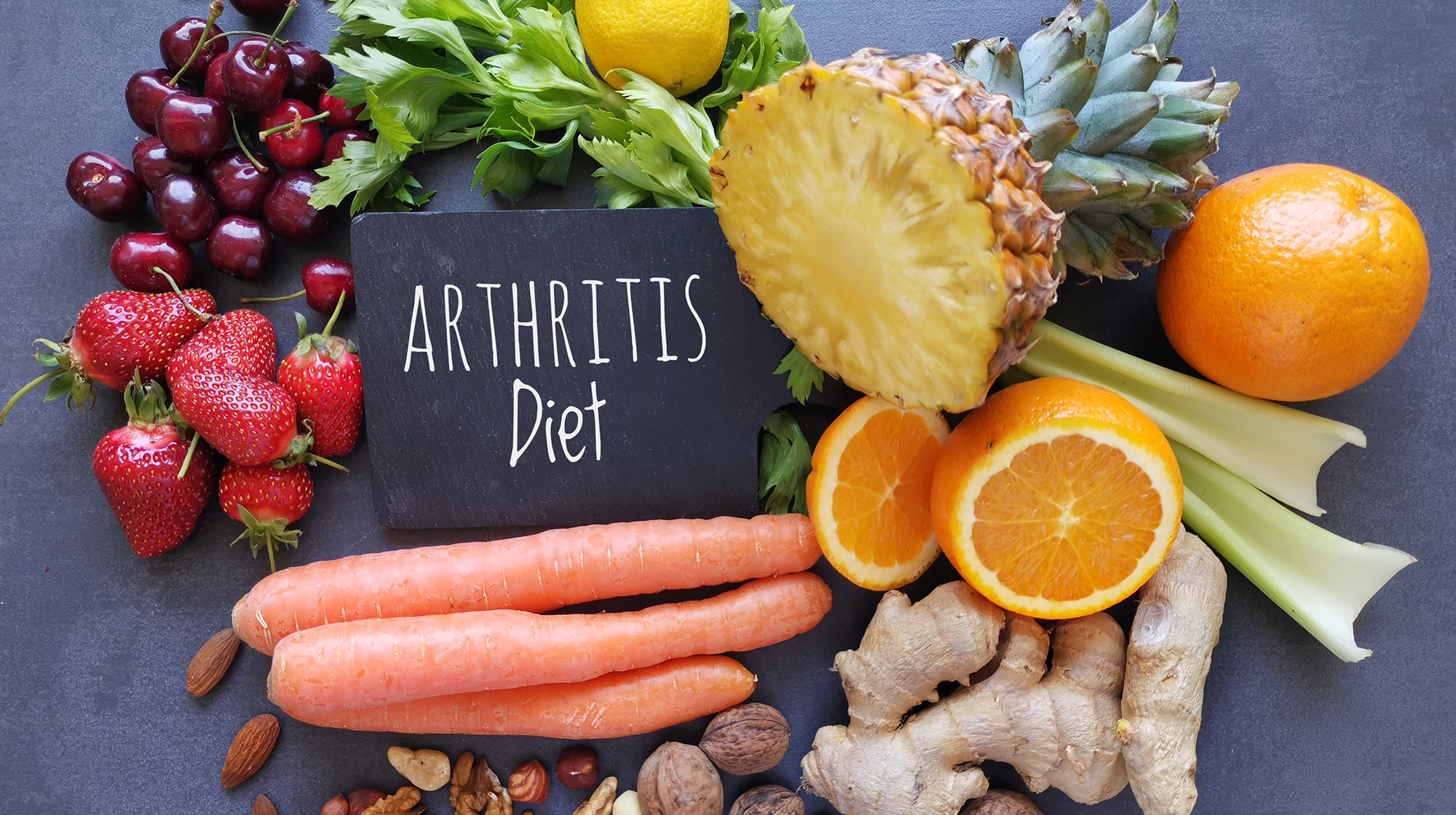
Arthritis is a condition that causes joint inflammation, pain, and stiffness, affecting millions of people worldwide. While there’s no magic cure for arthritis, certain foods have anti-inflammatory properties that can help reduce symptoms and improve joint health. Incorporating these into your diet may make a significant difference in managing arthritic pain. Here’s a look at the best foods to include in your meal plan:
1. Fatty Fish
- Why it helps: Fatty fish like salmon, mackerel, sardines, and trout are rich in omega-3 fatty acids, which are known for their anti-inflammatory effects. Omega-3s help reduce joint swelling and stiffness, particularly in rheumatoid arthritis.
- How to enjoy: Aim for at least two servings per week. Try grilled salmon, tuna salads, or sardines on whole-grain toast.
2. Leafy Greens
- Why they help: Vegetables like spinach, kale, and Swiss chard are packed with antioxidants, such as vitamin C and beta-carotene, that help combat inflammation. They’re also high in calcium, which supports bone health.
- How to enjoy: Add greens to smoothies, sauté them as a side dish, or toss them into soups and salads.
3. Berries
- Why they help: Berries like blueberries, strawberries, raspberries, and blackberries are loaded with antioxidants, including anthocyanins, which have powerful anti-inflammatory properties. They can also reduce oxidative stress, which contributes to arthritis.
- How to enjoy: Enjoy fresh berries as a snack, add them to yogurt or oatmeal, or use them in desserts.
4. Olive Oil
- Why it helps: Olive oil, especially extra-virgin olive oil, contains oleocanthal, a compound with anti-inflammatory properties similar to nonsteroidal anti-inflammatory drugs (NSAIDs).
- How to enjoy: Use olive oil in place of butter or other fats for cooking, drizzle it on salads, or use it as a dip for whole-grain bread.
5. Nuts and Seeds
- Why they help: Almonds, walnuts, flaxseeds, and chia seeds are rich in healthy fats and antioxidants, which can help fight inflammation. Walnuts, in particular, are high in omega-3 fatty acids.
- How to enjoy: Sprinkle seeds on salads, add nuts to your oatmeal, or snack on a small handful of mixed nuts.
6. Turmeric
- Why it helps: Turmeric contains curcumin, a powerful anti-inflammatory compound that can help alleviate joint pain and swelling. Studies have shown it may be particularly effective in reducing symptoms of osteoarthritis.
- How to enjoy: Add turmeric to curries, soups, or smoothies, or drink it as golden milk (turmeric latte).
7. Garlic
- Why it helps: Garlic contains compounds that inhibit the production of pro-inflammatory cytokines, helping to reduce inflammation and potentially slow arthritis progression.
- How to enjoy: Use fresh garlic in stir-fries, soups, and marinades, or roast it for a milder flavor.
8. Ginger
- Why it helps: Ginger has anti-inflammatory and pain-relieving properties, thanks to compounds like gingerol. It’s been shown to reduce arthritis-related pain and stiffness.
- How to enjoy: Brew fresh ginger tea, add grated ginger to dishes, or use it in marinades and baked goods.
9. Whole Grains
- Why they help: Whole grains like brown rice, quinoa, oats, and whole wheat contain fiber, which helps reduce levels of C-reactive protein (CRP), an inflammatory marker often elevated in arthritis patients.
- How to enjoy: Start your day with oatmeal, make a quinoa salad, or use whole-grain bread for sandwiches.
10. Green Tea
- Why it helps: Green tea is rich in antioxidants like epigallocatechin-3-gallate (EGCG), which has been shown to reduce inflammation and slow cartilage damage in arthritis.
- How to enjoy: Sip on hot or iced green tea daily. For variety, try matcha, a powdered form of green tea.
11. Citrus Fruits
- Why they help: Oranges, grapefruits, and lemons are high in vitamin C, which helps protect joints by aiding in collagen production and reducing inflammation.
- How to enjoy: Have fresh citrus as a snack, add lemon juice to water, or include citrus slices in salads.
12. Broccoli
- Why it helps: Broccoli is rich in sulforaphane, a compound that may block the enzymes linked to joint destruction and inflammation. It’s also high in vitamins K and C, which support bone health.
- How to enjoy: Steam broccoli as a side dish, add it to stir-fries, or blend it into a soup.
13. Beans
- Why they help: Beans like black beans, kidney beans, and lentils are high in fiber and antioxidants, helping to reduce CRP and inflammation. They’re also a great source of plant-based protein.
- How to enjoy: Use beans in soups, stews, or salads, or make bean-based dips like hummus.
Foods to Limit or Avoid
While adding anti-inflammatory foods is beneficial, it’s also important to limit foods that can exacerbate inflammation:
- Processed foods: Chips, cookies, and fast food are often high in trans fats and refined carbohydrates.
- Sugary beverages: Soda and sweetened drinks can spike inflammation levels.
- Red and processed meats: These may contain pro-inflammatory compounds.
- Excess alcohol: Too much alcohol can worsen inflammation.
Adopting an anti-inflammatory diet rich in these foods can help alleviate arthritic pain and improve joint health. Pair dietary changes with regular physical activity, adequate hydration, and stress management for a holistic approach to managing arthritis.
If you’re considering significant dietary changes or supplements, consult with your doctor or a registered dietitian to ensure they’re right for you